
How to Choose the Right RFID Tag for Metal Surfaces
Learn how to choose the right RFID tag for metal surfaces. Understand anti-metal RFID tags, mounting options, reading performance, and the best solutions for industrial asset tracking.
RFID PRODUCTS GUIDESRFID TAGSRFID APPLICATIONS
1/24/20264 min read
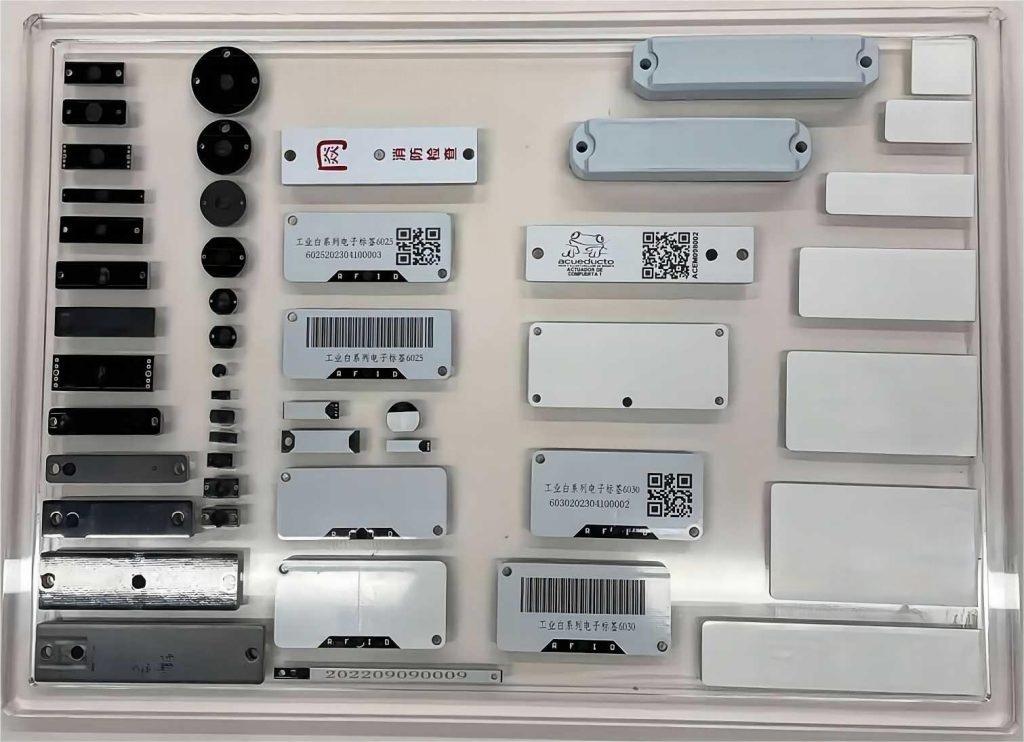
Using RFID tags on metal surfaces is one of the most common challenges in RFID projects. Many buyers discover that a standard tag works well in testing, but once it is attached to metal equipment, tools, shelves, containers, or machines, the reading performance drops significantly.
So why does this happen?
And more importantly, how can you choose the right RFID tag for metal surfaces?
In this guide, we explain the basics of anti-metal RFID tags, common use cases, and the key factors you should evaluate before placing an order.
Why Standard RFID Tags Do Not Work Well on Metal
Metal reflects and interferes with radio signals. When a standard RFID tag is placed directly on a metal surface, its antenna performance can be affected, which may result in:
Very short reading distance
Unstable reading performance
Missed scans
Lower consistency
Complete tag failure in some cases
This is especially common with UHF RFID tags, which are widely used in logistics and industrial asset tracking.
That is why projects involving metal assets often require anti-metal RFID tags instead of standard labels or tags.
What Is an Anti-Metal RFID Tag?
An anti-metal RFID tag is specially designed to work on or near metal surfaces. It includes a structure or isolation layer that reduces interference between the tag antenna and the metal object.
These tags are commonly used for:
Tools
Metal racks
IT assets
Servers
Pipes
Containers
Machinery
Equipment
Industrial parts
Compared with ordinary RFID labels, anti-metal tags are usually more durable and application-specific.
Common Types of RFID Tags for Metal Surfaces
There is no single anti-metal tag suitable for every project. The right option depends on asset size, installation method, environment, and reading distance.
1. Rigid Anti-Metal RFID Tags
These are hard tags made from ABS, PCB, ceramic, or industrial-grade materials. They are commonly used in factories, warehouses, data centers, and outdoor environments.
Best for:
Tools
Machinery
Metal containers
Industrial racks
Outdoor equipment
Advantages:
Durable
Long service life
Good reading consistency
Suitable for harsh environments
2. Printable Anti-Metal RFID Labels
These are thinner anti-metal labels with a special shielding structure. They can be printed and applied to flat metal surfaces.
Best for:
Office equipment
Laptops
Metal cabinets
IT asset management
Indoor tracking
Advantages:
Thin and lightweight
Printable
Easy to apply
Better for cleaner indoor applications
3. PCB Anti-Metal RFID Tags
PCB tags are often used when stable performance and compact size are both important. They offer reliable performance and are widely used in industrial and technical applications.
Best for:
Small metal tools
Equipment identification
Technical assets
Industrial control systems
4. High-Temperature or Harsh-Environment RFID Tags
Some projects require RFID tags that can handle heat, chemicals, vibration, oil, dust, or outdoor weather. In these cases, special industrial anti-metal tags are needed.
Best for:
Manufacturing lines
Automotive plants
Oil and gas
Construction sites
Outdoor asset management
Key Factors to Consider When Choosing an RFID Tag for Metal
1. What type of metal object will the tag be attached to?
A large flat metal cabinet is very different from a small curved pipe or tool. Shape, size, and surface condition all affect reading performance.
You should consider:
Flat or curved surface
Large or small metal area
Smooth or rough surface
Indoor or outdoor use
2. What reading range do you need?
Some projects only require close-range scanning, while others need several meters of reading distance.
For example:
IT asset control may need only short-range scanning
Warehouse racking may need medium or long-range reading
Gate or portal reading may need higher-performance UHF anti-metal tags
Reading range depends on:
Tag size
Chip type
Reader power
Mounting environment
Installation direction
3. What installation method will be used?
Different anti-metal tags support different fixing methods.
Common mounting options include:
Adhesive backing
Screws
Rivets
Cable ties
Epoxy fixing
Choose a mounting method based on how permanent the installation is and what kind of surface the tag will be attached to.
4. Will the tag be exposed to heat, water, chemicals, or outdoor weather?
A standard indoor anti-metal label may fail in industrial or outdoor environments. If the tag will be used in harsh conditions, make sure it is designed for:
Waterproof performance
UV resistance
Heat resistance
Chemical resistance
Mechanical durability
5. Do you need printing, barcode, QR code, or UID encoding?
Many buyers need more than just RFID functionality. The tag may also need:
Logo printing
Serial number printing
Barcode or QR code
UID encoding
EPC initialization
Data personalization
It is better to confirm these requirements before production starts.
Typical Applications for Anti-Metal RFID Tags
Industrial Asset Tracking
Track tools, parts, machines, racks, and equipment across production areas and warehouses.
IT Asset Management
Identify laptops, servers, cabinets, routers, and office electronics.
Warehouse and Rack Management
Apply RFID tags to metal shelves, cages, containers, and transport assets.
Maintenance and Inspection
Use RFID tags to identify equipment during inspection, repair, calibration, and maintenance workflows.
Outdoor Equipment Tracking
Track infrastructure, utility assets, or field equipment exposed to weather and environmental stress.
Common Mistakes Buyers Make
Choosing a standard label for a metal surface
This is the most common mistake. Standard labels often fail on metal.
Focusing only on price
A cheaper tag that does not read reliably is more expensive in the long run.
Ignoring mounting conditions
Even a good anti-metal tag can perform poorly if installed incorrectly.
Not testing in the real environment
Lab performance and real-world performance are not always the same. A sample test is strongly recommended.
Overlooking environmental durability
Heat, rain, dust, chemicals, vibration, and outdoor conditions can all affect tag lifespan.
How to Select the Right Anti-Metal RFID Tag
A practical selection process usually looks like this:
Confirm the asset type and metal surface
Define the required reading range
Confirm indoor or outdoor use
Check temperature and environmental conditions
Choose the mounting method
Confirm whether printing or encoding is needed
Test samples before bulk production
This process helps reduce risk and improves long-term project performance.
Custom RFID Solutions for Metal Applications
At China Smart Card, we provide RFID products for industrial and commercial applications, including anti-metal RFID tags, asset tags, labels, and custom identification products.
We support:
Product selection based on application
Tag structure recommendations
Custom printing and encoding
Prototype development
Different mounting options
OEM and ODM projects
If you need help choosing an RFID tag for a metal surface, our team can help recommend the right solution based on your asset type, environment, and reading requirements.