
Explore our products
From plastic cards to RFID and NFC products for identification, access control and IoT applications
Wood Cards/Plastic Cards


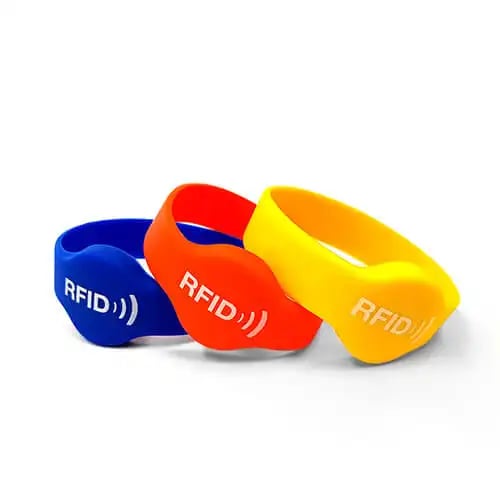
RFID Wristbands
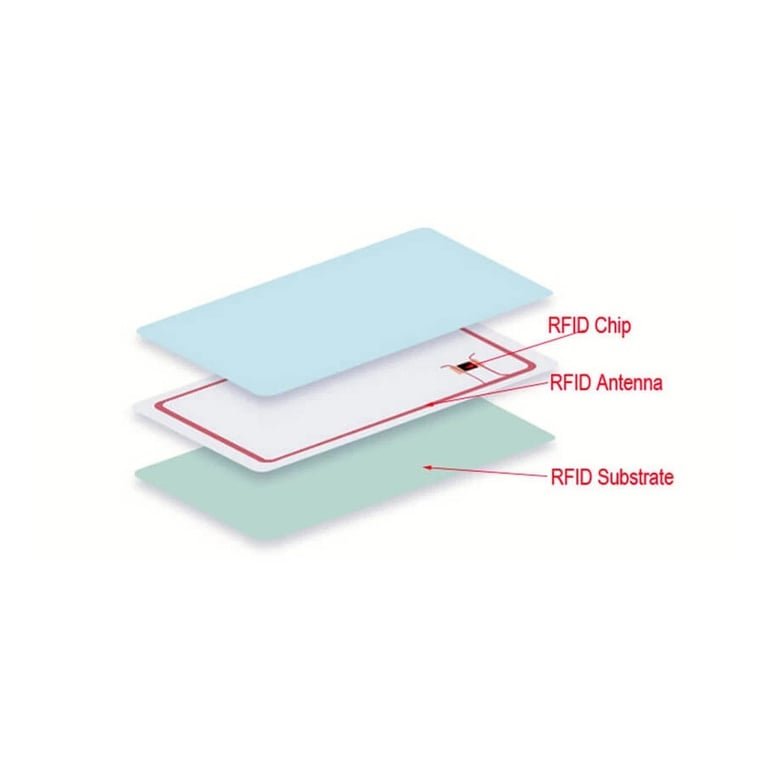
RFID Cards/NFC Cards
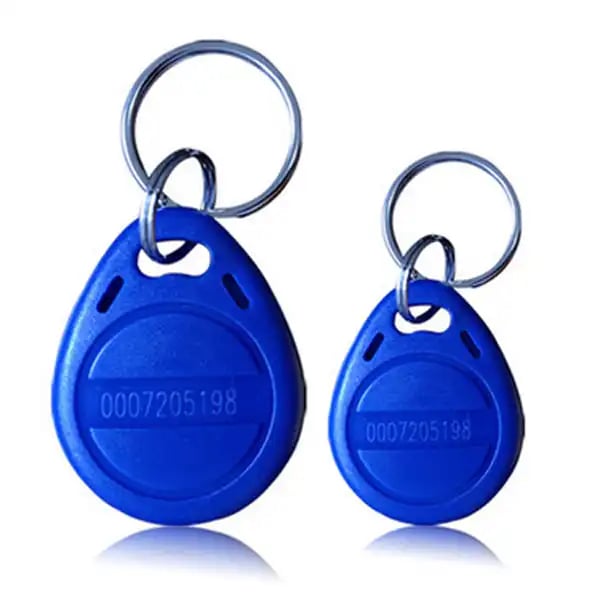
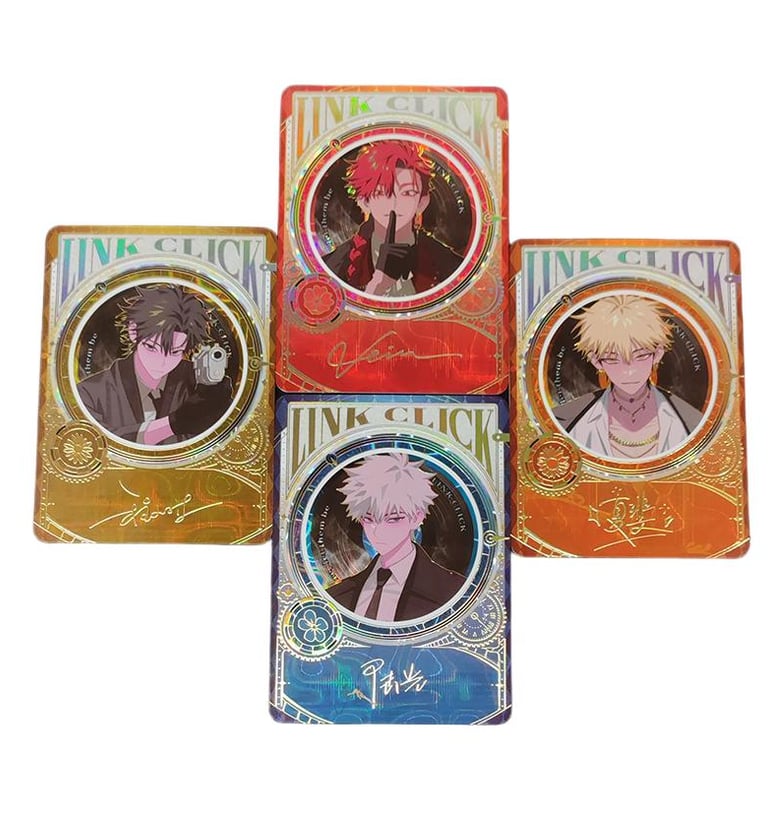
RFID Keyfobs & NFC Keyfobs
Industrial & Asset Tags
Custom / Specialty Cards
Our Services
Explore our innovative RFID solutions tailored for diverse applications in the smart card industry.


Design & Engineering
We provide industrial design, custom antenna tuning for specific environments, and rapid prototyping to transform concepts into manufacturable solutions.
Personalization & Data Services
We encode unique data into chips and apply custom visual elements like photos, logos, and barcodes to each product.
Frequently Asked Questions
What data encoding and visual personalization services are available?
We offer end-to-end personalization services to make every product unique:
Data Encoding: We write UIDs, encryption keys, URLs, or specific database records directly onto the chip. We can also add magnetic stripes or signature panels.
Visual Customization: We provide high-resolution offset and digital printing, gold/silver hot stamping, and laser coding.
Variable Data: We handle large batches where every card or tag features unique sequential numbers, names, or barcodes.
Do you offer custom RFID wristbands and wearable smart products for events or hospitals?
Yes, we specialize in smart wearable products. We provide customizable RFID wristbands made from silicone, fabric, Tyvek, or PVC, which are ideal for event access control, hospital patient identification, and fitness tracking.
These wearables can be encoded with unique IDs and visually personalized with logos, barcodes, or variable data. We also offer alternative wearable forms such as keyfobs, epoxy tags, and shoe tags.
Do you support small batch orders or prototyping for new IoT projects?
Yes, we support startups and pilot projects with low Minimum Order Quantities (MOQ) for standard items. For custom shapes or new IoT concepts, we offer rapid prototyping services. This allows you to test form factors, material durability, and antenna performance before committing to mass production, helping you validate your design cost-effectively.
Can you produce IoT tags that work on metal surfaces or near liquids?
Absolutely. For challenging IoT environments, we engineer specialized anti-metal tags with isolation layers to prevent signal interference when attached to metal assets. We also design flexible, tuned antennas for labels used on liquids or biological items (such as animal ear tags or medical tubing), ensuring reliable read-ranges in complex conditions where standard tags typically fail.
Can your factory help with antenna design and technical consultation for specific applications?
Our engineering team provides full technical consultation. We assist in selecting the right chip and frequency for your specific use case and offer custom antenna design services to optimize read-range for scenarios like long-range gateways versus close-proximity handheld scanners.
Additionally, we help ensure your products comply with international standards such as ISO, CE, FCC, and RoHS.
What types of materials and chip frequencies do you support for smart card manufacturing?
We manufacture smart cards using diverse materials including PVC, PET, ABS, wood, and biodegradable plastics. Our production supports all major RFID frequencies:
Low Frequency (LF 125kHz): Ideal for access control (e.g., EM4100).
High Frequency (HF 13.56MHz): Perfect for payment, transit, and NFC interactions (e.g., Mifare, NTAG).
Ultra-High Frequency (UHF 860-960MHz): Designed for long-range logistics and retail inventory (e.g., Impinj, Alien).
We also produce dual-frequency composite cards for complex applications requiring multiple technologies in one card.
What is the typical lead time from order to delivery?
Standard Products (No Personalization): Typically 7 working days.
With Data Encoding/Printing: Typically 10 working days.
Custom Molds/Unique Shapes: Requires an additional 1–2 weeks for mold development and prototyping.
Note: Exact delivery times depend on order volume and process complexity. We will provide a detailed production schedule upon confirmation.
How do you handle read failures or defects in received products?
We perform 100% functional testing (including chip read/write verification and visual inspection) before shipment. If the defect rate in your shipment exceeds our agreed standard (typically <0.3%), we will immediately initiate our after-sales protocol: we will either replace the defective units free of charge or issue a refund.
Additionally, our technical team will assist you in analyzing the issue to determine if it stems from on-site reader configuration or environmental factors.